

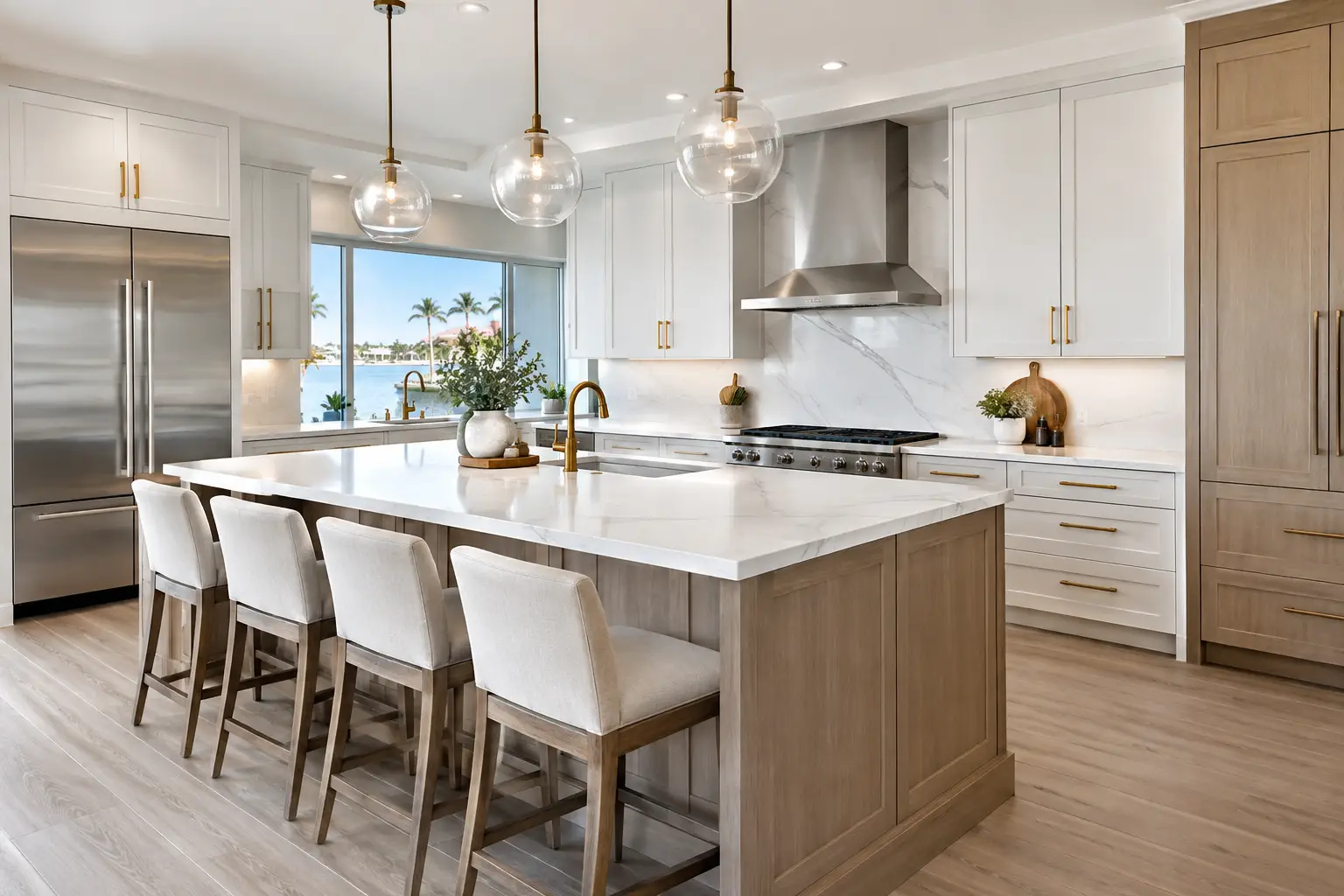

A kitchen cabinet can look excellent in a showroom and still disappoint after a few humid Florida summers if the construction is not right. This RTA wood cabinetry review focuses on the details that matter once cabinets are in your home: box strength, door material, finish quality, storage planning, and the value of professional installation.
RTA, or ready-to-assemble, cabinetry is often chosen because it gives homeowners access to attractive wood cabinet styles at a more manageable renovation budget. That does not mean every RTA cabinet is the same. The difference between a cabinet that performs well for years and one that needs attention early is usually found in the materials, joinery, hardware, and design process.
What RTA Wood Cabinets Actually Offer
RTA cabinets are manufactured in components, packaged for transport, and assembled before or during the installation process. This format can reduce shipping and storage costs compared with fully assembled cabinetry. For a Broward County homeowner, the practical benefit is the ability to invest more of the budget in quality cabinet construction, a well-planned layout, quartz countertops, or professional installation.
“Wood cabinetry” also requires a closer look. A quality cabinet may use solid wood for face frames, doors, and drawer fronts, while cabinet boxes are commonly built with furniture-grade plywood. That combination is not a shortcut. Plywood is a stable cabinet-box material that handles the demands of a busy kitchen well when it is properly constructed and finished.
The best choice depends on your kitchen plan. A White Shaker kitchen can deliver a clean, classic look that works in Weston, Davie, and Fort Lauderdale homes alike. A slab-door or frameless design can create a more contemporary appearance with clean lines and efficient interior space. The cabinet style should fit the home, but the construction should meet the same high standard regardless of the door profile.
RTA Wood Cabinetry Review: Construction Details to Check
A cabinet review should go beyond the color of the door. Start with the cabinet box. Look for plywood construction where durability is a priority, especially around sink bases, dishwasher openings, and heavily used base cabinets. Thicker panels and a substantial back panel help the cabinet stay square and support secure installation.
Drawer construction is another useful quality signal. Dovetail drawer boxes are a strong choice because the interlocking joints resist pulling apart under everyday use. Full-extension drawer glides allow the drawer to open farther, so items at the back remain accessible. Soft-close drawer glides and hinges are not merely a luxury feature. They reduce hard closing, protect the cabinet over time, and create a more polished daily experience.
Inspect the doors as well. Solid wood doors offer natural warmth and can be an excellent fit for painted or stained traditional styles. Wood veneer panels and engineered center panels also have a place in quality cabinet construction, particularly when they improve stability. The key is that the finish is applied evenly, edges are properly sealed, and the door feels solid when opened and closed.
A durable finish matters in South Florida kitchens. Heat, frequent cooking, moisture, and regular cleaning all put pressure on painted surfaces and exposed edges. A smooth finish with consistent color, clean joints, and proper sealing is more valuable than an overly glossy appearance that hides weak construction.
Where RTA Cabinets Deliver the Best Value
The value of RTA wood cabinetry is not simply that it costs less than custom-built cabinetry. Its strongest advantage is that it can provide a high-quality, finished look without requiring every cabinet component to be made from scratch for one kitchen.
For many remodels, standard cabinet sizes work well enough to create an efficient layout. A thoughtful design can use base cabinets, wall cabinets, pantry storage, corner solutions, and drawer bases to organize the room without unnecessary expense. Selecting the right combination is more important than filling every wall with cabinetry.
RTA cabinets are especially appealing when homeowners want to update an outdated kitchen while keeping the project focused on practical improvements. Replacing worn doors, limited storage, and awkward cabinet configurations with durable wood cabinetry can change how the kitchen functions every day. Pairing new cabinets with quartz countertops can also create a cohesive result that feels current without relying on short-lived design trends.
Still, RTA is not automatically the right answer for every project. Kitchens with unusual dimensions, complicated soffits, major structural changes, or highly specialized storage needs may require more planning and a broader cabinet strategy. A professional kitchen design helps identify those issues before ordering cabinets, when adjustments are simpler and less costly.
Design and Installation Affect the Final Result
Cabinets can be well made and still look uneven if the layout, assembly, and installation are not handled precisely. Walls, floors, and ceilings are rarely perfectly level. An experienced installation team accounts for those conditions, aligns doors and drawer fronts, secures cabinets correctly, and prepares the cabinet run for countertop measurement and installation.
Design is equally important. A 3D kitchen design allows you to see how cabinet sizes, appliance locations, walkways, and countertop areas will work together before construction begins. It can reveal common problems, such as a refrigerator door conflicting with an island, insufficient landing space near a cooktop, or a narrow path through the kitchen.
Good design also protects your budget. Rather than choosing cabinets one piece at a time, a complete plan helps determine where a larger drawer base will be more useful than a standard door cabinet, whether a tall pantry adds real storage value, and how cabinet height affects the finished room. These decisions are difficult to correct once cabinets are ordered and installed.
Questions to Ask Before Choosing RTA Wood Cabinets
Before making a cabinet selection, ask what the boxes, doors, drawers, and hardware are made of. Ask whether the drawers are dovetailed, whether the glides and hinges include soft-close operation, and how the cabinet finish is protected around edges and high-use areas. These answers give a clearer picture of long-term value than a door sample alone.
It is also wise to ask how the cabinet plan addresses your actual kitchen. Consider appliance dimensions, plumbing locations, ceiling height, countertop overhangs, trash storage, pantry needs, and the way your household uses the room. A family that cooks often may benefit from wider drawer storage and more landing space. A smaller kitchen may need carefully placed wall cabinets and a layout that keeps the room open.
Finally, consider the support behind the cabinets. Reliable design guidance, local delivery, accurate measurements, and professional installation can prevent the small planning errors that create delays and added expense. The cabinet purchase is one part of the renovation. The finished kitchen is the result of every part working together.
A Practical Choice for a Long-Lasting Kitchen
A well-selected RTA wood cabinet line can be an excellent choice for homeowners who want solid construction, attractive finishes, and a competitive overall remodeling investment. Focus on plywood cabinet boxes, dependable hardware, well-built drawers, durable finishes, and a layout designed around the way you live. Those details matter more than a label on the box.
For homeowners in Weston, Davie, and throughout Broward County, Leonardo’s Kitchens has served the community since 2008 with free kitchen estimates, free 3D kitchen designs, a Davie showroom, and free local delivery. Call 754-234-3838 to schedule a consultation and get practical guidance on RTA wood cabinets, professional cabinet installation, and a kitchen plan built for your home.
