

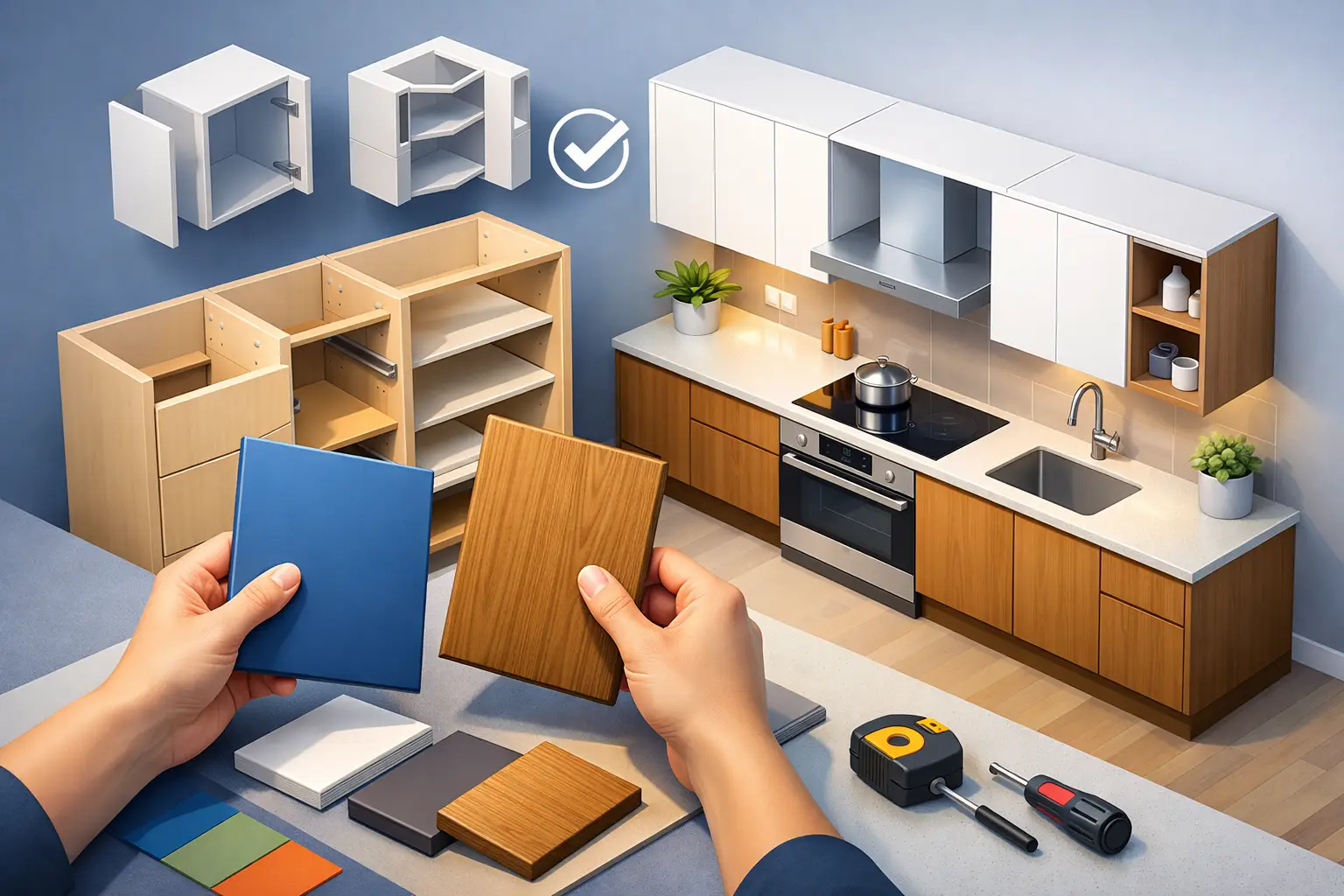

A frameless cabinet can make a dated kitchen look cleaner, larger, and more current almost immediately – but only if you choose the right one for the way you cook, store, and use the room every day. If you are figuring out how to choose frameless cabinets, the decision should go beyond door style and color. The real value comes from construction quality, storage function, and how well the cabinets fit your remodel budget.
Frameless cabinets are popular for good reason. Without a face frame at the front of the box, they offer a more streamlined look and wider access to the interior. That often means better usable space, tighter reveals, and a more modern finish overall. But not every frameless cabinet is built to the same standard, and small differences in materials and hardware can affect how they perform over time.
How to Choose Frameless Cabinets for Long-Term Value
The first thing to understand is that frameless does not automatically mean better. It means different. A frameless cabinet relies more heavily on the strength and precision of the cabinet box because there is no front frame adding structure. That is why box material, joinery, and hardware matter even more in this category.
Start with the cabinet box itself. For most homeowners, plywood construction is worth serious attention. Plywood holds up well in a kitchen environment, offers solid screw-holding strength, and tends to outperform lower-grade particleboard when it comes to durability. There are quality engineered materials on the market, but if you want a cabinet that feels sturdier and better suited to daily use, plywood is often the safer investment.
You should also look at drawer construction. Dovetail drawers are a strong sign that the cabinet line is focused on durability, not just appearance. Pair that with full-extension, soft-close glides, and you get smoother operation and better access to the full drawer. These details may seem small in a showroom, but in a working kitchen they make a noticeable difference.
Door and drawer alignment is another important clue. Frameless cabinets depend on precision. Gaps should look consistent, doors should open and close smoothly, and the finish should appear even from one cabinet to the next. If the displays already look slightly off, that issue rarely improves after installation.
Look Past Style and Focus on Kitchen Function
Many homeowners begin with the visual side of the project, which makes sense. Frameless cabinets are often chosen for their clean lines and contemporary appearance. Still, the smarter approach is to decide how your kitchen needs to function first, then choose the style that supports it.
Think about your storage habits. Do you need deeper drawers for pots and pans? More pantry storage? Better access in corner areas? Frameless cabinetry is especially good at maximizing interior access, but the layout has to be planned well. Wide drawer bases, pull-out storage, and smart pantry configurations often do more for everyday convenience than decorative upgrades.
This is where a good design process matters. A beautiful cabinet line can still fall short if the layout leaves you short on prep space or forces too much upper cabinet storage. In many remodels, the best cabinet choice is the one that balances appearance with workflow – especially around the sink, range, refrigerator, and main prep zones.
If your current kitchen feels cramped, frameless construction can help create a more open feel. Because the openings are typically wider and the fronts look more continuous, the room can read cleaner and less bulky. That said, the cabinet style should still fit the home. A very sharp slab-door look may be perfect in one kitchen and feel too stark in another. Shaker-style frameless doors are often a strong middle ground for homeowners who want a fresh look without going overly minimalist.
How to Compare Frameless Cabinet Materials
Material choices affect both price and lifespan, so this is where value-conscious homeowners should slow down and compare carefully. Not every upgrade is equally worthwhile.
For doors, solid wood and quality wood veneers remain popular because they bring warmth and a more substantial feel. Painted finishes can look excellent, but they should be applied consistently and with enough quality control to resist early wear. Thermofoil can lower costs, though it may not offer the same long-term appearance in a busy kitchen, especially in heat-prone areas near cooking surfaces.
For the cabinet interior, ask what the shelves are made of and how they are supported. A cabinet may look polished from the outside but still cut corners inside. Adjustable shelves should feel secure, and shelf thickness matters if you plan to store heavier dishes or small appliances.
Back panel construction is another area worth asking about. A stronger back panel helps with overall cabinet stability and installation performance. This becomes even more important when cabinets are mounted on walls that may need shimming or adjustment during the remodel process.
A good rule is simple: spend on the features that affect structure, movement, and daily wear. Decorative add-ons can be valuable, but they should come after the core build quality is confirmed.
Price Matters, but So Does What You Are Actually Buying
One of the biggest mistakes homeowners make is comparing cabinet quotes by total price alone. Two frameless cabinet proposals can look close on paper while offering very different levels of quality.
A lower quote may reflect thinner materials, weaker drawer boxes, basic hinges, limited finish options, or less design support. A higher quote may include stronger cabinet boxes, better hardware, more useful storage features, and installation planning that prevents problems later. The right question is not just what it costs today. It is what value you are getting over the life of the kitchen.
This is especially relevant if you are remodeling rather than simply replacing cabinets in the same footprint. Installation conditions, wall corrections, fillers, trim details, and appliance fit can all affect the final result. Cabinets that are affordable upfront but difficult to install cleanly can end up costing more in adjustments, delays, or compromises.
Homeowners in areas like Weston, Davie, and Pembroke Pines often want a kitchen that looks elevated without crossing into luxury-showroom pricing. That is where well-built frameless RTA or semi-custom options can make sense. If the construction is solid and the installation is handled properly, you can get a polished result without paying for a fully custom product you may not need.
Choosing the Right Finish, Color, and Door Style
Once the construction and layout are right, then the visual decisions become easier. Frameless cabinets tend to highlight lines, spacing, and finish consistency, so simpler styles usually perform best.
If you want a timeless look, neutral painted finishes and wood tones are often the safest route. White, warm off-white, light gray, and natural wood finishes continue to work well because they keep the kitchen bright and flexible. Dark finishes can look dramatic, but they may show dust, fingerprints, and wear more easily.
Door style should match both the home and your maintenance expectations. Slab doors create a crisp modern look and are easy to wipe down. Shaker-style frameless doors add a little more detail while still feeling current. More ornate styles can work, but they usually make less sense if your goal is the clean, efficient appearance that draws many homeowners to frameless cabinetry in the first place.
Also think about finish durability in relation to daily use. A beautiful matte finish may be worth it, but not if you have a household that puts the kitchen through heavy traffic every day and wants lower maintenance.
Do Not Overlook Installation
Even a strong cabinet line can disappoint if the installation is rushed or poorly coordinated. Frameless cabinets are less forgiving visually because alignment is so visible. Slight inconsistencies in reveals, door spacing, or leveling stand out quickly.
That is why product selection and installation should work together. When the same team helps guide design, cabinet choice, and installation planning, there is less room for miscommunication. Appliance clearances, fillers, crown details, panel ends, and island overhangs can all be addressed before materials are ordered.
This matters even more in a full remodel. Flooring changes, lighting updates, plumbing adjustments, and wall repairs can all affect cabinet placement. A contractor or kitchen specialist who understands the full sequence will usually protect the cabinet investment better than a product-only seller.
If you are weighing multiple options, ask who is responsible for field measurements, who handles installation issues, and how changes are managed if existing conditions differ from the original plan. Clear answers here are often a sign of a more dependable project overall.
The Best Frameless Cabinets Are the Ones That Fit the Whole Project
When homeowners ask how to choose frameless cabinets, the best answer is usually not about one feature. It is about fit. The right choice fits your layout, your budget, your design goals, and the level of durability you expect from a kitchen that gets real use.
A cabinet that looks impressive in a sample door may not be the best value if the box construction is weak. A lower-cost option may be the better decision if it includes solid plywood boxes, dovetail drawers, soft-close hardware, and a thoughtful layout. That balance is where a successful remodel usually happens.
A kitchen should look refined, but it should also work hard without constant frustration. Choose frameless cabinets with that standard in mind, and the finished space will feel better every time you open a drawer, prep a meal, or walk into the room.
