

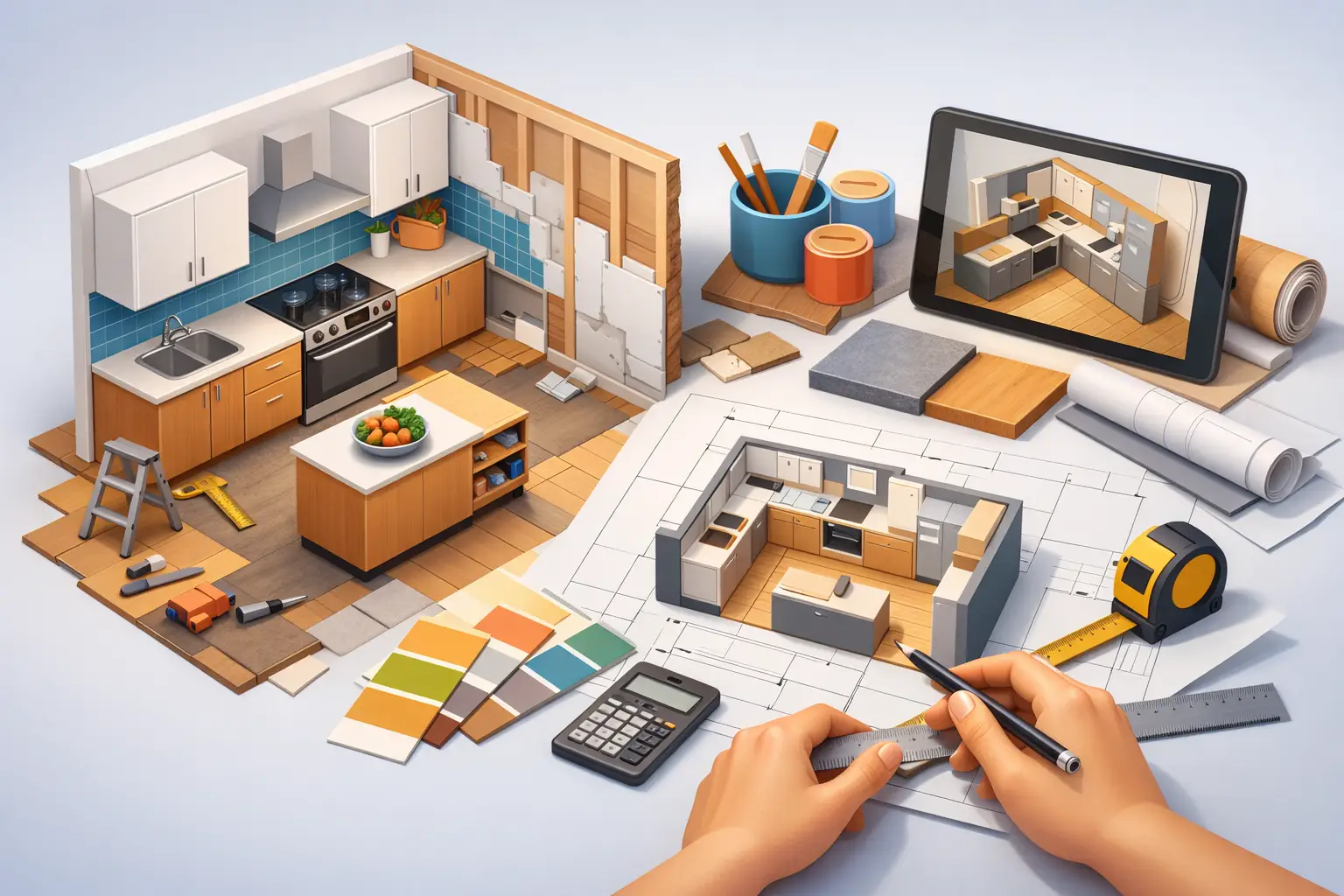

A kitchen remodel usually feels expensive before any work starts. Most homeowners are not reacting to one line item – they are reacting to the pileup of decisions: cabinets, layout, countertops, plumbing, electrical, flooring, permits, and the fear of paying for the wrong upgrade. That is exactly why affordable kitchen remodel planning matters. A clear plan does more than control cost. It helps you spend where the kitchen will actually look better, work better, and hold up longer.
The biggest mistake is treating affordability like cutting corners. In real projects, the better approach is selective investment. Some elements affect daily function and long-term durability so much that going too cheap creates problems later. Other choices can be simplified without changing the final result in any meaningful way. Good planning separates those two categories early.
What affordable kitchen remodel planning really means
An affordable remodel is not necessarily the lowest bid. It is a project that aligns the budget with the parts of the kitchen that matter most to your household. If your current kitchen has poor storage, worn-out cabinets, and an awkward work area, then spending on stronger cabinetry and a smarter layout usually delivers more value than stretching for premium add-ons.
That distinction matters because many remodeling budgets get lost in upgrades that sound impressive in a showroom but do little in everyday use. Decorative extras, specialty inserts, and high-end finishes can be worthwhile, but only after the core structure of the kitchen is right. Solid cabinet construction, usable storage, dependable installation, and a layout that flows well are usually the best first investments.
Start with the layout before the finishes
Homeowners often begin by picking door styles or countertop colors. Those decisions are important, but they should come after the layout discussion. If the room functions poorly now, new finishes alone will not fix it.
Start by looking at how you move through the kitchen. Are appliance doors colliding? Is there enough prep space near the sink and range? Do you have dead corners, wasted wall space, or too little pantry storage? Affordable kitchen remodel planning often works best when it improves efficiency without forcing a full structural overhaul.
Moving plumbing, gas, or major electrical lines can raise costs quickly. Sometimes that expense is justified. More often, keeping the sink, range, and refrigerator in roughly the same zones helps control labor while still allowing substantial design improvement. A refreshed footprint with better cabinets, smarter drawer storage, and improved workflow can transform the room without turning the project into a full reconstruction job.
Cabinets usually decide the budget and the result
In most kitchens, cabinets are the largest visual element and one of the most important cost drivers. They also affect storage, durability, and how finished the remodel feels. That is why cabinet selection should be handled carefully, not treated like a secondary choice.
This is where value matters more than sticker price. Very low-cost cabinetry may reduce the upfront number, but thin materials, weak drawer construction, and cheap hardware can lead to sagging doors, premature wear, and a less refined look. On the other hand, fully custom luxury cabinetry may exceed what most homeowners need.
A strong middle ground is often frameless cabinetry with quality construction details. Plywood boxes, dovetail drawers, soft-close hardware, and solid wood options give homeowners a more durable and polished result without pushing the project into an inflated price range. RTA wood cabinetry can also make sense when the product quality is right and the installation is handled properly. The goal is not just to save money on cabinets. It is to buy cabinets that look upscale, function well, and justify the investment over time.
Where to save and where not to save
Not every category deserves the same budget priority. In practical terms, cabinets, installation quality, and layout decisions tend to have the biggest effect on long-term satisfaction. If those go wrong, the entire remodel feels compromised.
Countertops are important, but there are usually several attractive price points available. Many homeowners can choose a simpler quartz color or edge profile and still get a clean, upscale appearance. Backsplash choices can also be cost-controlled without making the kitchen feel basic. A straightforward tile pattern often looks more timeless than a busy designer option.
Hardware, lighting, and accessories are areas where spending should be deliberate. You do not need the most expensive fixture in the store, but low-quality hardware used every day can become frustrating fast. It helps to think in terms of use. Items touched constantly should feel solid. Decorative items can be simpler if needed.
Flooring depends on the condition of the existing space and the scope of work. In some remodels, keeping the current flooring can preserve budget for cabinets and counters. In others, failing to replace damaged or dated flooring makes the entire project feel unfinished. This is one of those decisions that depends on what the rest of the room is doing.
Labor costs are not just labor costs
Many homeowners compare remodel estimates by looking at the bottom line first. That is understandable, but it can hide major differences in what is actually included. One quote may cover design help, cabinet installation, coordination of trades, and finish details. Another may only cover part of the work, leaving the homeowner to manage the gaps.
Affordable kitchen remodel planning should account for project management, not just materials. The more separate vendors and subcontractors you need to coordinate on your own, the more room there is for delays, miscommunication, and extra charges. That is especially true when cabinet delivery, demolition, electrical updates, and countertop templating all need to happen in the right sequence.
A service-led remodeling company can create value here because the process is tighter. If the same team is helping with design, cabinetry, installation, and workflow, there is less guesswork. That does not automatically make every project cheaper, but it often makes the budget more predictable, which is just as important.
Build a realistic budget with a contingency
One of the simplest ways to keep a remodel affordable is to stop pretending there will be no surprises. Older kitchens can hide wall damage, uneven floors, outdated wiring, plumbing issues, or code-related updates. If the entire budget is allocated before work begins, any hidden issue can force rushed decisions.
A contingency reserve gives the project breathing room. That does not mean planning for disaster. It means recognizing that renovations involve existing conditions, and existing conditions are not always visible on day one.
It also helps to rank your priorities before final selections are made. If your top goals are better storage, a cleaner look, and more durable cabinets, keep those protected in the budget. Then, if pricing comes in high, scale back lower-priority finish upgrades before compromising the essentials.
Timing affects cost more than people expect
Scheduling decisions can influence affordability. If materials are chosen late, substitutions become more likely and delays can create added labor costs. If the cabinet plan is not finalized before other trades begin, measurements and installation timing can get complicated.
That is why pre-construction planning matters. Finalizing cabinet sizes, appliance specifications, and layout details early helps reduce change orders. Last-minute changes are one of the fastest ways to turn a reasonably priced remodel into a more expensive one.
For homeowners in areas like Weston, Davie, or Pembroke Pines, timing can also matter when coordinating remodeling around family schedules, seasonal travel, or other home projects. A remodel that is carefully staged tends to be easier on both the household and the budget.
The smartest affordable remodels look intentional
A kitchen does not need luxury-level spending to feel refined. It needs consistency. When cabinet style, finish selection, countertop choice, and installation quality all work together, the room looks more expensive than it was.
That is often the difference between a budget remodel and a well-planned affordable one. A budget remodel can look pieced together. An affordable remodel, done properly, looks deliberate. Clean lines, durable materials, functional storage, and professional installation create that effect more reliably than chasing premium labels.
At Leonardo’s Kitchens, this is often where homeowners see the benefit of pairing value-driven cabinetry with design guidance and installation support. When product quality and execution are aligned, the remodel feels more complete and less like a series of separate purchases.
If you are planning a kitchen update, start with the choices that shape daily use: layout, cabinet construction, and installation quality. Once those are right, the rest of the budget gets easier to direct, and the finished kitchen has a much better chance of feeling worth every dollar.
