

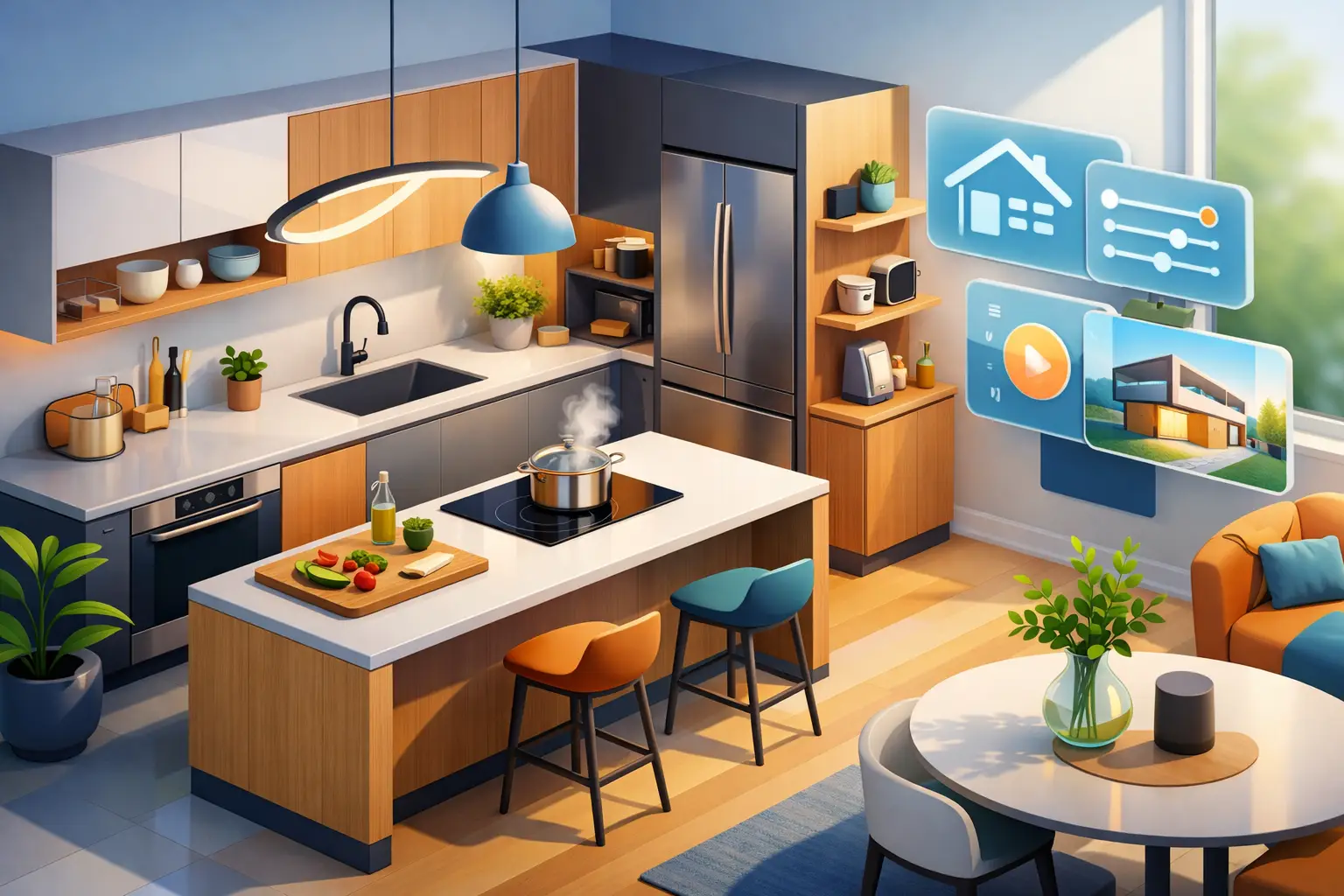

If your kitchen still has a cramped prep zone, dated door styles, or cabinets that look tired after a few years, the latest kitchen design 2026 ideas are pointing in a clear direction: cleaner function, warmer finishes, and better value. Homeowners are not chasing flashy trends for the sake of it. They want kitchens that feel current, work harder every day, and justify the investment.
That shift matters because a kitchen remodel is no longer just about picking a color and changing the backsplash. The strongest results come from decisions that connect layout, cabinet construction, storage, lighting, and finish choices into one plan. A kitchen can look beautiful on day one and still disappoint if the workflow is awkward or the cabinets are built with weak materials.
What kitchen design 2026 ideas are really about
The biggest theme for 2026 is balance. Kitchens are moving away from cold, overly stark designs, but they are not returning to heavy, ornate looks either. The sweet spot is a space that feels warm, tailored, and easy to live with.
In practical terms, that means slab and simple shaker doors still have a place, but they are being paired with softer wood tones, more texture, and better layering. Bright white kitchens are not gone, yet many homeowners are choosing warmer off-whites, natural oak looks, muted taupe, deep olive, and soft greige instead. These shades hide everyday wear better and make the room feel less clinical.
There is also more attention on how the kitchen supports real routines. People want deeper drawers for pots, cleaner trash pull-outs, better pantry access, and islands that do more than fill the room. Good design in 2026 is less about showing off and more about making daily use easier.
Layout comes before finishes
One of the most expensive mistakes in remodeling is choosing materials before solving the layout. A beautiful kitchen still feels frustrating if the refrigerator door blocks a walkway or if the sink, range, and prep area are spread too far apart.
For many homes, especially older ones, the most valuable upgrade is not adding more cabinets everywhere. It is improving circulation and creating defined work zones. Prep space next to the sink, landing space beside the range, and clear movement around the island often matter more than squeezing in one extra upper cabinet.
This is where professional design guidance earns its keep. Sometimes the best move is a simple correction, like widening an aisle or switching a door swing. In other cases, a larger change makes sense, such as opening part of a wall, resizing an island, or adding pantry storage where clutter used to pile up. The right answer depends on the room, the household, and the budget.
Cabinet trends for 2026 favor clean lines and lasting construction
Cabinetry remains the biggest visual and functional decision in the room, so it is no surprise that many kitchen design 2026 ideas start there. Homeowners want a refined look, but they are also asking better questions about what sits behind the door style.
Frameless cabinets continue to stand out because they maximize usable interior space and deliver a sleek, modern appearance without looking harsh. That extra accessibility can make a noticeable difference in smaller kitchens where every inch counts. They also pair well with the simpler silhouettes that are staying popular.
At the same time, cabinet quality is getting more attention. Plywood cabinet boxes, dovetail drawers, and soft-close hardware are not flashy talking points, but they matter. These details affect how cabinets hold up over time, especially in busy family kitchens. If the goal is elegant design at a price that still feels responsible, solid construction is where value becomes real.
There is also a growing preference for mixing finishes. A painted perimeter with a wood-tone island, or darker lowers with lighter uppers, can add depth without making the room feel busy. The trade-off is that mixed finishes require discipline. Too many colors or textures can make the kitchen feel pieced together instead of intentional.
Storage is becoming more specialized
Homeowners are less impressed by sheer cabinet count and more interested in what the storage actually does. That is one of the smartest shifts in 2026.
Deep drawer bases are replacing some traditional lower-door cabinets because drawers provide easier access and better visibility. Full-height pantry storage is also gaining ground, particularly in homes where countertop appliances tend to multiply. Pull-out spice storage, tray dividers, concealed trash solutions, and organized corner access all help reduce visual clutter.
This does not mean every kitchen needs every accessory. Specialty storage adds cost, and not all upgrades deliver the same value. A few well-chosen solutions usually outperform a long list of add-ons. If the budget is tight, prioritize the features that solve daily frustration first – trash pull-outs, useful drawers, and pantry organization usually rank high.
Surfaces are getting warmer and easier to maintain
Countertop and backsplash choices are moving toward materials that feel polished but not precious. Homeowners still want a high-end look, yet many are avoiding surfaces that require constant upkeep or show every mark.
Quartz remains a strong choice because it offers durability, a consistent appearance, and low maintenance. The visual trend is moving away from harsh, busy patterns and toward softer veining, warmer whites, sand tones, and natural stone looks that do not overwhelm the cabinetry.
Backsplashes are becoming simpler in many remodels. Full-height slab looks are still attractive, but they are not the only path. Larger-format tile, subtle texture, and restrained color choices can create a clean finish while keeping costs more manageable. This is often a smarter value decision for homeowners who want the room to feel updated without spending heavily in areas that do not improve function.
Lighting is doing more work
A kitchen that looks good at noon but feels dim at night is not finished. One of the most useful kitchen design 2026 ideas is treating lighting as part of the workflow, not an afterthought.
Layered lighting makes the biggest difference. Recessed lighting handles general illumination, pendants define the island, and under-cabinet lighting improves task visibility and helps the backsplash come alive. When these layers are balanced, the kitchen feels more comfortable and more expensive, even if the materials are moderately priced.
There is a practical side to this too. Better lighting helps cooking, cleanup, and safety. It also makes cabinet colors and countertop selections read more accurately, which matters when homeowners invest in warmer, more nuanced finishes.
The all-white kitchen is giving way to softer contrast
White kitchens still appeal to many buyers because they feel bright, open, and versatile. But 2026 is less about pure white everywhere and more about contrast that feels controlled.
That can mean warm white cabinets with a medium-tone wood hood, a pale perimeter with a darker island, or matte hardware that adds definition without looking heavy. Black accents still work, but they are being used more selectively. Too much stark contrast can make a kitchen feel rigid.
For South Florida homes, this softer approach often works especially well. Natural light is already strong, so a warmer palette can keep the space from feeling washed out or overly sharp. It also tends to age better than trend-driven extremes.
Budget-smart design is becoming part of good design
There is a reason more homeowners are asking harder questions before they remodel. Material prices, labor costs, and the disruption of construction all make planning more important than ever. In 2026, smart kitchen design is not just about appearance. It is about choosing where to spend and where to simplify.
Cabinets are usually one of the best places to invest because they affect both the look and function of the room every day. Spending more on strong cabinet construction often makes more sense than overspending on decorative extras that do little for daily use. The same logic applies to layout corrections, quality hardware, and dependable installation.
On the other hand, not every kitchen needs premium upgrades in every category. If the footprint already works, keeping plumbing or appliance locations in place can protect the budget. If a simple tile backsplash achieves the look you want, there may be no reason to push for a more expensive material. Good remodeling decisions come from knowing what actually changes the experience of using the kitchen.
A full-service company can help here because product selection and installation planning are connected. When design, cabinetry, and execution are handled together, it is easier to avoid mismatched decisions and costly delays. That is part of why many homeowners in Weston, Davie, Miramar, Southwest Ranches, and Pembroke Pines look for one remodeling partner instead of piecing the project together on their own.
The best kitchens in 2026 will not be the ones with the most trends packed into them. They will be the ones that feel polished, work effortlessly, and hold up well after the remodel dust settles. If you are planning a change, focus on the choices that improve the room every single day – layout, cabinet quality, practical storage, and finishes you will still like years from now.
