

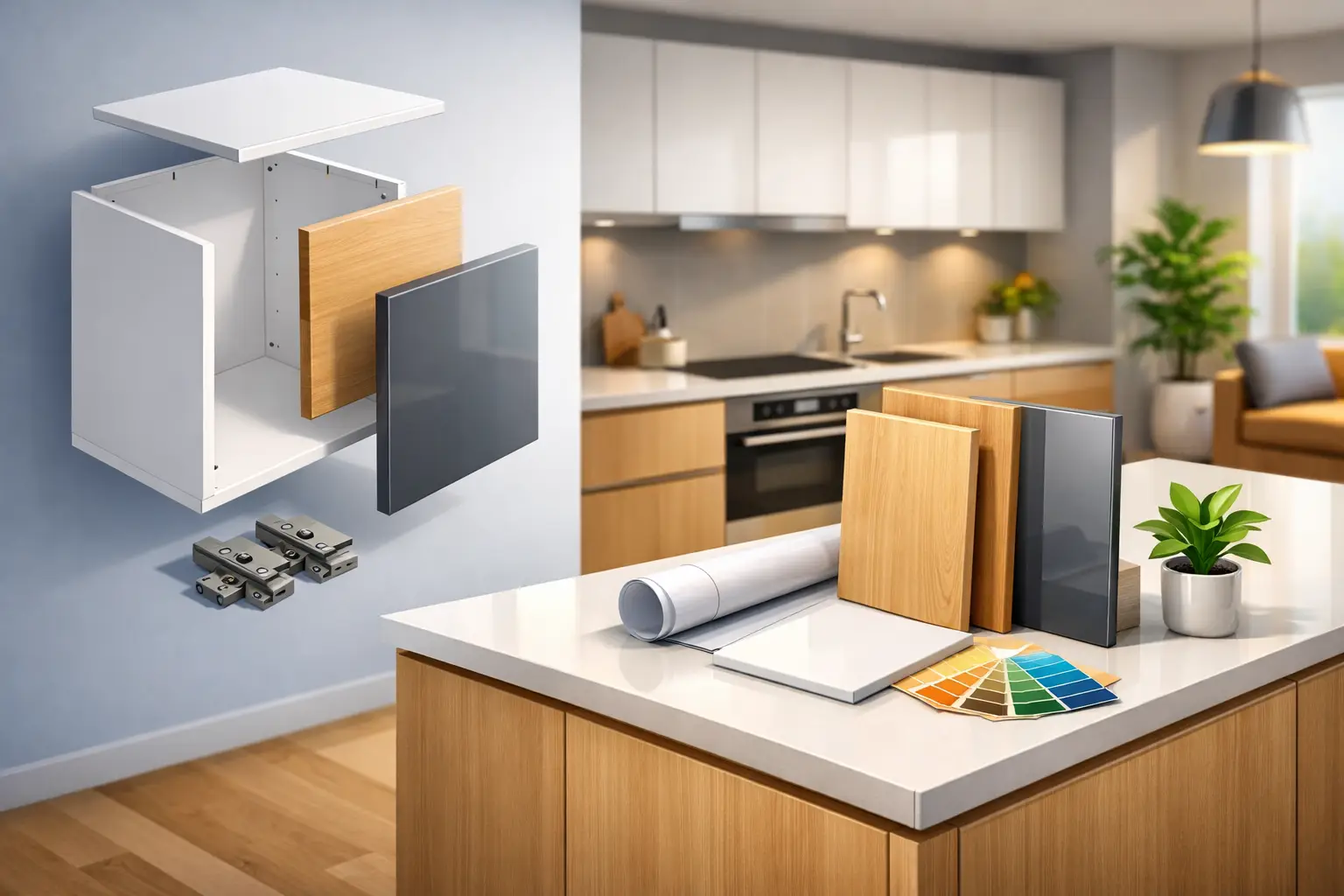

If you are planning a kitchen remodel, a solid frameless cabinet buying guide can save you from one of the most common mistakes homeowners make – choosing cabinets based on finish samples and price alone. The better decision comes from looking at construction, storage, installation requirements, and how the cabinets will perform once your kitchen is in daily use.
Frameless cabinets have become a popular choice for homeowners who want a cleaner, more modern look without moving into fully custom luxury pricing. They are often called European-style cabinets, but the appeal is practical as much as visual. You get full access to the cabinet interior, tighter lines on the front, and more usable storage space in many layouts.
That does not mean every frameless cabinet is a good buy. Some are built to last for years of family use, while others look attractive in a showroom and start showing weakness once drawers are loaded, doors are adjusted a few times, or humidity becomes a factor. Knowing what to compare helps you buy with confidence.
What frameless cabinets actually are
A frameless cabinet does not have the front face frame found on traditional framed cabinetry. Instead, the doors and drawers attach directly to the cabinet box. That changes both the appearance and the function.
Visually, frameless cabinets create a more streamlined look with tighter reveals and larger door and drawer fronts. Functionally, the opening is less obstructed, so you can often fit larger cookware, pull-outs, and storage accessories more easily. In a kitchen where every inch matters, that extra access can make a noticeable difference.
This style works especially well in contemporary and transitional kitchens, but it is not limited to ultra-modern designs. The final look depends heavily on the door style, finish, hardware, and layout. A shaker door in a warm painted finish can still feel inviting and timeless, even on a frameless cabinet box.
A frameless cabinet buying guide should start with box construction
The cabinet box is where long-term value lives. Homeowners often focus on door color first, but the box, joinery, and hardware do more to determine whether the kitchen still feels solid five or ten years from now.
Plywood cabinet boxes are generally a stronger choice than lower-grade particleboard, especially in kitchens where moisture, heavy dishes, and repeated use are part of everyday life. A well-built plywood box resists sagging and handles installation stress better. That matters if your remodel includes large drawer banks, tall pantry cabinets, or heavy countertop materials.
Drawer construction deserves the same attention. Dovetail drawers are a strong indicator of better craftsmanship. They hold up better under weight and repeated opening and closing than cheaply stapled alternatives. Soft-close drawer glides and hinges also matter. They reduce wear over time and make the kitchen feel more refined in day-to-day use.
If you are comparing quotes, ask what is included rather than assuming all frameless cabinets are built the same. Similar-looking cabinet lines can differ significantly in box material, drawer joinery, hinge quality, and interior finish.
Door style and finish affect more than appearance
One reason homeowners choose frameless cabinetry is the polished, organized look. But style choices still need to fit the way you use the space and the amount of maintenance you are comfortable with.
Slab doors create the cleanest, most contemporary appearance. They are a strong fit for modern kitchens and smaller spaces where simple lines help the room feel less busy. Shaker-style doors on frameless boxes are a popular middle ground because they keep a tailored look without feeling cold.
Finish selection has practical implications too. High-gloss surfaces can look striking, but they show fingerprints more easily. Very dark finishes can highlight dust and smudges. Painted finishes brighten a kitchen, though the quality of the paint process matters if you want better resistance to chipping and wear. Wood finishes bring warmth and variation, but they may show natural grain movement over time.
The right choice depends on your household. A kitchen used heavily by a busy family may benefit from a finish that hides daily marks better than a sleek showroom favorite.
Storage is where frameless cabinets often win
A good frameless cabinet buying guide should spend real time on storage because that is where many homeowners feel the return on their investment. Frameless construction typically gives you more accessible interior space, but layout planning is what turns that advantage into a better kitchen.
Wide drawers for pots and pans, deep drawers for dishes, tray storage near the range, and pull-out organizers in lower cabinets can improve workflow more than adding decorative upgrades. Tall pantry cabinets are another strong use of frameless construction because the full-access opening makes storage easier to reach and organize.
This is also where the remodeling process matters. Choosing attractive cabinets is only part of the job. If the layout stays inefficient, the new kitchen may still feel frustrating. In many remodels, cabinet planning should happen alongside appliance placement, countertop design, and traffic flow. Homeowners in active households often benefit from design guidance here because small adjustments can improve daily use more than people expect.
Installation quality can make or break the result
Frameless cabinets require precise installation. Because the front lines are clean and consistent, mistakes are easier to notice. Uneven walls, floor variation, or poor alignment can affect reveals, door function, and the overall finish of the kitchen.
That is one reason product-only pricing does not tell the full story. A lower cabinet quote may not be the better value if installation is rushed or handled without enough experience. Proper leveling, fastening, filler planning, and door adjustment all matter. In a full remodel, coordination with countertops, backsplash work, plumbing, and electrical also affects how clean the final result looks.
For homeowners who do not want to manage multiple moving parts, working with a company that understands both cabinet selection and installation can reduce delays and prevent avoidable problems. That is especially helpful when the kitchen is being updated on a real family schedule, not an idealized one.
How to compare price without missing value
Frameless cabinets can range from budget-friendly to premium, so the smartest comparison is not just total cost. It is cost relative to what you are getting.
A lower-priced cabinet line may use thinner materials, weaker drawer systems, or limited finish options. A higher quote may include plywood boxes, dovetail drawers, soft-close hardware, upgraded wood choices, design support, and installation coordination. Those differences affect durability, appearance, and how much work falls back on the homeowner.
There is also a practical middle ground that many homeowners are looking for: cabinets that deliver an upscale look and strong construction details without custom-shop pricing. That is often the sweet spot for a kitchen remodel where budget discipline matters but cutting corners would be a mistake.
When reviewing estimates, ask what is included in design revisions, fillers, trim details, hardware, delivery, assembly, and installation. Price gaps start to make more sense when the scope is clear.
Common mistakes to avoid when buying frameless cabinets
One mistake is assuming frameless automatically means high-end. It can mean modern styling, but the actual quality still depends on the materials and hardware.
Another is choosing cabinets before finalizing the layout. If storage planning comes too late, you may end up with a kitchen that looks better but functions almost the same as the old one. The same goes for ignoring installation conditions. Older homes often have wall and floor irregularities that should be accounted for early.
A third mistake is buying for trend value only. A kitchen should look current, but it also needs to fit the architecture of the home and the way the household lives. The best remodels balance visual appeal with practical use and resale confidence.
When frameless cabinets are the right choice
Frameless cabinets are a strong fit if you want a clean look, efficient storage, and a kitchen that feels updated without going fully custom. They are especially appealing in remodels where maximizing usable space matters and where the homeowner wants refined design details at a more approachable price point.
They may be less ideal if you strongly prefer a traditional cabinet appearance with a face-frame look, or if the project requires a very specific historic style. Even then, the answer is not always no. Door style and finish can shift the overall feel more than many people expect.
For many South Florida homeowners, the better question is not whether frameless cabinets are trendy. It is whether the cabinet line is well built, well designed for the space, and installed correctly for long-term use. That is where buying confidence comes from.
A good kitchen should feel better every morning after the remodel is done, not just on install day. If you keep your focus on construction quality, storage planning, and the skill behind the installation, the right frameless cabinets tend to make themselves clear.
