

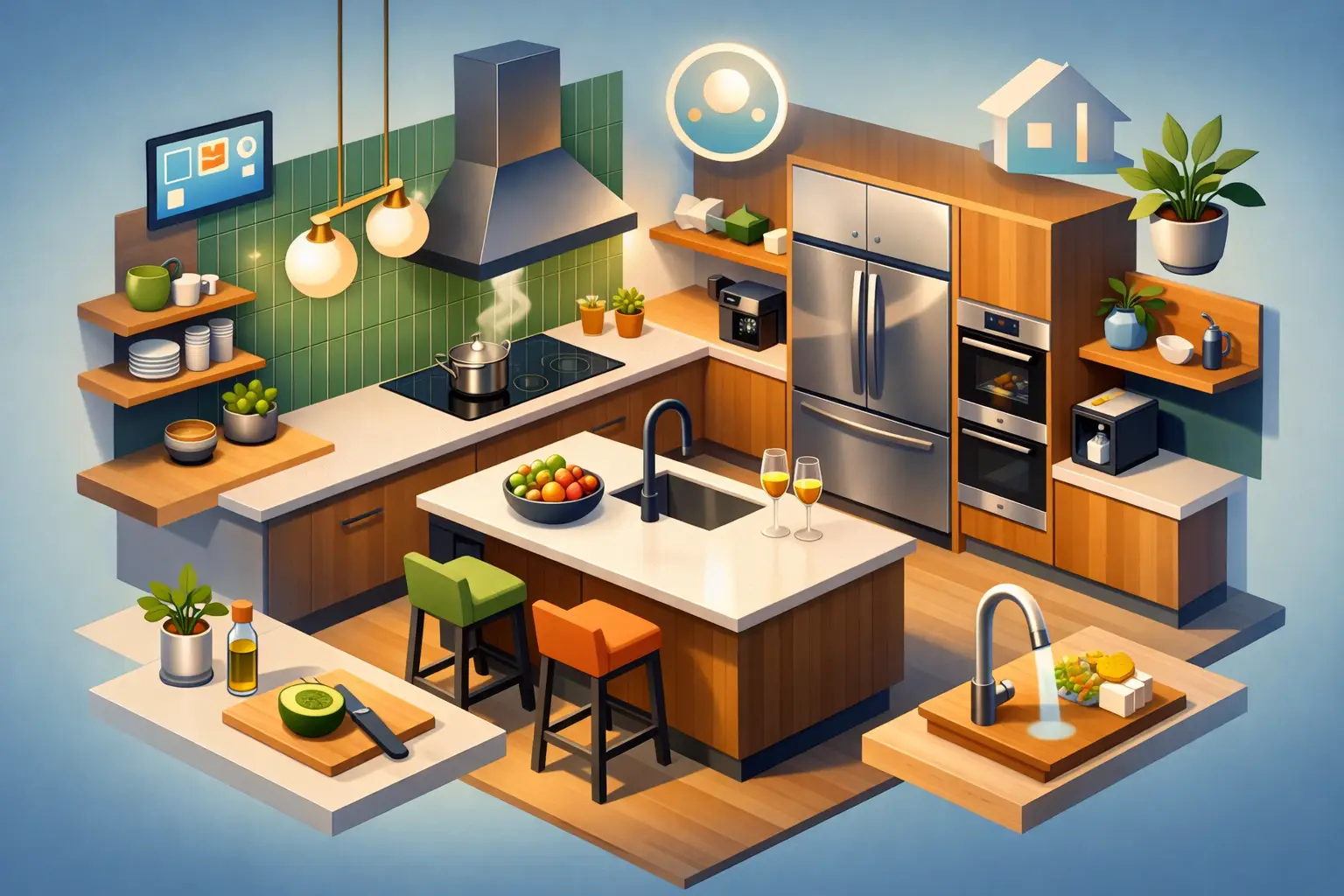

A kitchen can look newly renovated and still feel outdated if the layout wastes steps, the cabinets lack usable storage, or the finishes are difficult to maintain. The best modern kitchen design trends solve those everyday problems first, then deliver the clean, refined appearance homeowners want. For South Florida remodels, that usually means balancing light-filled design with durable materials, efficient organization, and a budget that makes sense for the home.
Modern Kitchen Design Trends Built for Daily Use
The most lasting kitchen trend is not a single cabinet color or countertop pattern. It is a kitchen that works better during a busy morning, family dinner, or weekend gathering. Modern design favors fewer visual interruptions, more intentional storage, and surfaces that can handle regular use without demanding constant care.
This is why frameless cabinetry has become a strong choice for contemporary kitchens. With a full-access cabinet box and minimal face-frame obstruction, frameless cabinets create a cleaner look while providing more usable interior space. The result is especially valuable in kitchens where every inch of storage matters. Wide drawers, tall pantry cabinets, and organized base cabinets can make an existing footprint feel substantially more functional.
A polished kitchen does not need to be cold or stark. Many homeowners are moving away from all-white rooms and choosing warmer modern combinations: soft white or light wood cabinetry, warm neutrals, matte finishes, and subtle texture. These choices still feel current, but they are easier to live with than a highly stylized design that may lose appeal after a few years.
Warm Wood Tones and Soft, Layered Neutrals
Natural wood is returning in a more streamlined form. Instead of heavily detailed traditional doors or dark espresso stains, current kitchens often use lighter oak-inspired tones, medium wood finishes, and flat or simple shaker-style doors. Wood adds depth to a kitchen with white or cream cabinets and helps prevent an open layout from feeling too plain.
Two-tone cabinetry remains popular, but the most successful versions are restrained. A light perimeter with a darker or wood-finish island gives the room contrast without turning every cabinet run into a separate design statement. Deep green, charcoal, navy, and muted taupe can work well on an island, although color selection should reflect the amount of natural light in the space.
In Weston, Davie, and nearby communities, strong sunlight is a real design factor. Cabinet colors can look very different at noon than they do under evening lighting. A sample that appears bright white in a showroom may read cooler at home, while a dark island may feel heavier in a smaller kitchen. Reviewing door samples, countertop selections, and backsplash materials together helps avoid expensive mismatches.
Storage Is Becoming More Purposeful
Open shelving once appeared in nearly every modern kitchen photo. It can be attractive for a small display area, but it is not the right answer for most homeowners. Open shelves collect dust, require neat styling, and offer little protection for everyday dishes. A better approach is to use them sparingly, perhaps near a coffee station or on a short accent wall, while relying on closed cabinetry for the working part of the kitchen.
The more practical trend is dedicated storage. Deep drawer bases are replacing many lower cabinets with doors because drawers bring pots, pans, dishes, and small appliances toward the user rather than forcing them to reach into a dark cabinet. A well-planned drawer configuration can reduce clutter on the countertop and improve access for every member of the household.
Other useful additions include pull-out trash and recycling centers, tall pantry cabinets, tray dividers, spice pull-outs, and drawer organizers. Not every kitchen needs every accessory. A household that cooks frequently may benefit more from wide drawers and pantry storage than from a decorative wine display. Someone who entertains often may prioritize an island with serving storage and a beverage area. The right choices depend on how the kitchen is actually used.
Larger Islands With Smarter Proportions
The kitchen island continues to be a central feature in modern remodels, but size alone is not the goal. An oversized island can restrict walkways, interfere with appliance doors, and make a kitchen less comfortable to navigate. Proper clearance around the island matters as much as the island itself.
A well-designed island can provide prep space, casual seating, storage, and visual definition between the kitchen and living area. For many homes, this makes it more valuable than adding extra upper cabinets. Waterfall countertop edges remain an option for a sleek contemporary look, but they are not required for a modern result. They add material and fabrication cost, and they can make sense as a focal point when the budget allows.
Consider the island’s working role before selecting its shape. If it will hold a sink or cooktop, the plumbing, ventilation, and electrical requirements need to be planned early. If it is mainly for seating and serving, a simpler cabinet base may deliver better value. This is where design guidance and remodel coordination prevent a beautiful drawing from becoming a costly installation problem.
Durable Surfaces Over High-Maintenance Statements
Modern kitchens are moving toward materials that look refined without creating unnecessary upkeep. Quartz countertops remain a popular choice because they offer consistent color, a broad range of patterns, and easy day-to-day care. Some homeowners prefer the natural variation of stone, but natural materials may require more maintenance and can be less forgiving around spills, acids, and heavy use.
For backsplashes, large-format tile and simple slab-style looks are gaining ground over busy mosaics. Fewer grout lines create a cleaner appearance and reduce cleaning. A full-height backsplash behind the range can make a kitchen feel more finished, especially when paired with simple cabinet doors and understated hardware.
Matte black, brushed nickel, warm brass, and champagne-toned hardware can all work in a modern kitchen. The key is consistency. Hardware should complement the faucet, lighting, and cabinet color rather than compete with them. Trend-driven finishes are easiest to update when used on pulls and lighting, not on permanent and expensive components.
Construction Quality Still Matters Most
A modern kitchen should not be judged only by the door style. Cabinet construction determines how the kitchen performs over time. Plywood cabinet boxes offer strength and moisture resistance that are particularly relevant in humid South Florida conditions. Dovetail drawer construction, soft-close drawer glides, and quality hinges improve the everyday experience while helping cabinetry stand up to repeated use.
Affordable does not have to mean thin materials, limited storage, or hardware that wears out quickly. Homeowners should compare what is behind the cabinet door: box material, drawer construction, door finish, hardware quality, available sizes, and installation support. These details affect long-term value far more than a dramatic showroom display.
RTA wood cabinetry can be an effective value option when it is selected carefully and professionally installed. It can offer the appearance and construction features homeowners want at a more controlled price point than many fully custom lines. However, precise measurement, proper assembly, level installation, and coordination with countertops and appliances are essential. Savings disappear quickly when a project is planned in pieces or corrected after the fact.
A Modern Kitchen Should Fit the Home, Not Just a Trend Board
The strongest remodels do not copy every trend. They use current ideas to create a kitchen that suits the home’s layout, the household’s routines, and the renovation budget. A clean cabinet profile, warm finish palette, durable countertop, and well-designed storage will generally outlast a highly decorative feature chosen only because it is popular this season.
For homeowners who want both cabinetry expertise and help managing the work, Leonardo’s Kitchens can bring cabinet selection, design planning, installation, and remodel coordination into one more organized process. That approach helps keep decisions connected, from cabinet dimensions and appliance placement to finish selections and final installation details.
Choose the features you will touch and use every day, invest in construction that supports them, and let the decorative details follow. A kitchen built around that priority will feel modern now and remain comfortable, functional, and valuable long after the renovation is complete.
