

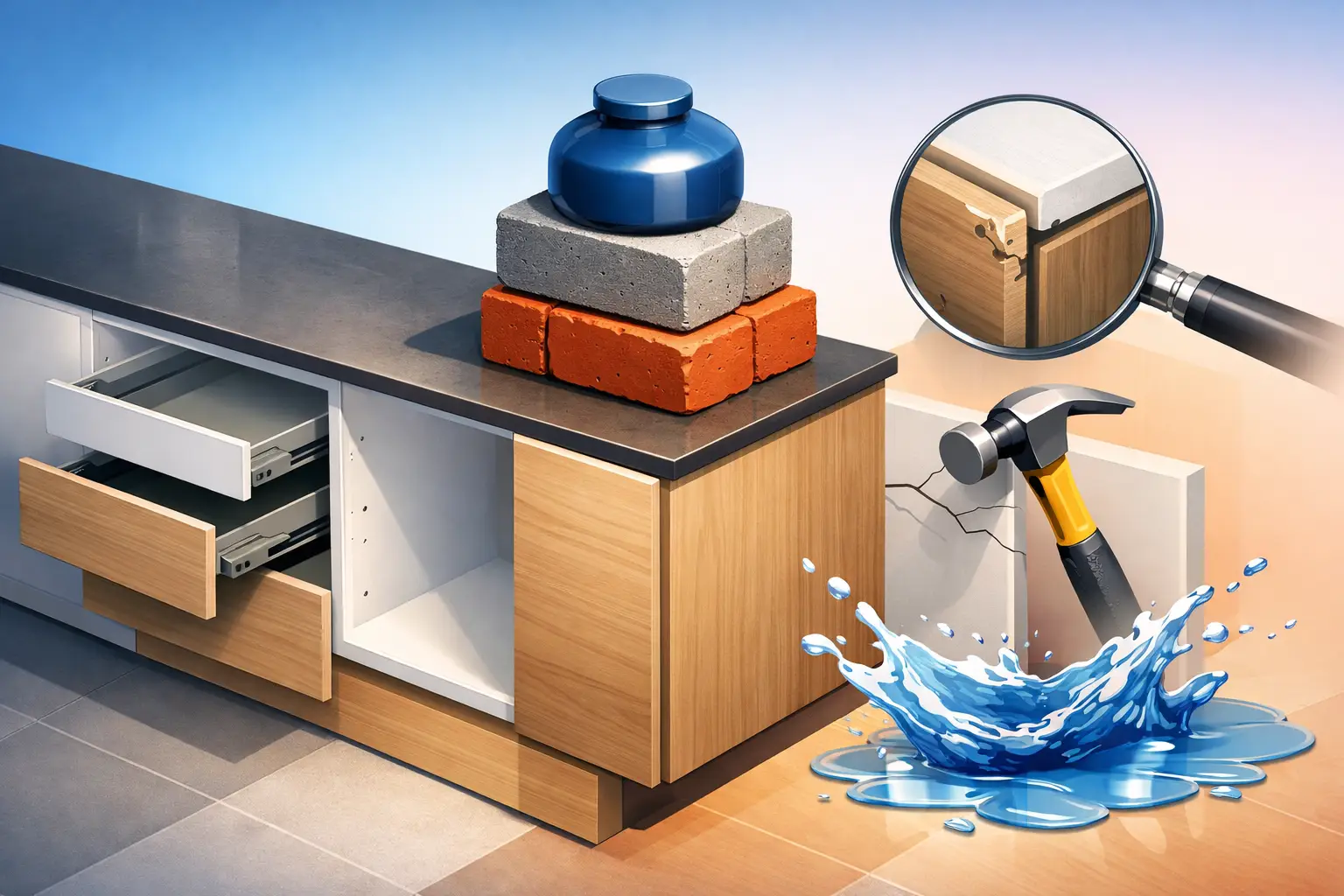

If you are planning a kitchen remodel, one question usually comes up fast: are frameless cabinets durable enough for everyday use? It is a fair concern, especially if you are comparing them to traditional framed cabinets and trying to make a smart investment. The short answer is yes – frameless cabinets can be very durable – but only when the cabinet box, hardware, and installation are done right.
That distinction matters. A well-built frameless cabinet is not a shortcut product or a style-first compromise. In many modern kitchens, it is a strong, practical choice that delivers clean lines, better access, and long-term performance. But like any cabinet style, quality depends on how it is made.
Are frameless cabinets durable in real kitchens?
Frameless cabinets are often called European-style cabinets because they do not use a face frame on the front of the box. Instead, the doors attach directly to the cabinet sides. This creates a more streamlined appearance and slightly larger opening inside each cabinet.
Some homeowners hear “frameless” and assume it means weaker. That is understandable, but the name can be misleading. Frameless does not mean unsupported or flimsy. It simply refers to the lack of a front frame. The strength comes from the cabinet box itself, along with the joinery, the thickness of the panels, the back construction, and the hardware.
In a busy kitchen, durability shows up in practical ways. Cabinets should hold weight without sagging, doors should stay aligned, drawers should open smoothly year after year, and the boxes should resist loosening over time. Frameless cabinets can absolutely meet those standards when they are built with solid materials and installed correctly.
What makes frameless cabinets strong or weak?
The biggest factor is the cabinet box material. A frameless cabinet depends heavily on the box for structural integrity, so this is not the place for thin particleboard and weak fasteners. Higher-quality frameless cabinets typically use plywood boxes because plywood offers better screw-holding power, improved moisture resistance, and more overall rigidity.
That is one reason construction details matter more than cabinet style alone. A framed cabinet made with low-grade materials can perform worse than a frameless cabinet made with plywood sides, a sturdy back panel, and quality hardware.
Drawer construction also plays a major role. Dovetail drawers, full-extension slides, and soft-close mechanisms are not just luxury upgrades. They affect how the cabinet system holds up under daily use. A kitchen drawer gets pulled thousands of times over its life. Cheap slides wear out fast, while better hardware keeps drawers operating smoothly and helps prevent stress on the cabinet box.
The thickness of the panels matters too. Frameless cabinetry generally benefits from thicker side panels because those sides are doing more structural work. When the cabinet is engineered properly, that design can feel very solid. When corners are cut, the weaknesses show up early through shifting shelves, door alignment issues, or loose mounting points.
Frameless vs. framed durability
Framed cabinets have a face frame attached to the front of the box, which adds some front-facing rigidity. That extra structure can help in certain applications, particularly if the cabinet itself is built from less rigid materials. For that reason, framed cabinets have a long reputation for toughness.
But that does not automatically make them more durable in every kitchen. Durability is not a one-variable decision. A frameless cabinet with a plywood box, well-secured back, and premium hinges can easily outperform a lower-quality framed cabinet. On the other hand, a poorly made frameless cabinet may show wear faster because the box has no frame to compensate for weak construction.
For homeowners choosing between the two, the better question is not which style is stronger in theory. It is which specific product is built better in practice.
Where frameless cabinets perform especially well
Frameless cabinets are a strong fit for modern kitchen remodels because they combine a clean appearance with highly usable storage. Since there is no face frame reducing the front opening, you get easier access to interior space. That makes a noticeable difference with pots, pans, trays, and larger serving pieces.
They also work well with contemporary door styles and tight, consistent reveals. In a kitchen where appearance matters just as much as function, that sleek look is part of the appeal. More importantly, it is not a visual benefit that requires giving up durability.
For many South Florida homeowners, frameless cabinets also make sense because quality materials and proper finishing can help cabinets perform better in humid conditions. Moisture resistance still depends on the material and finish, but good plywood construction is often a smart choice in this climate.
Common durability concerns homeowners should know
One concern is sagging shelves. This is usually less about whether a cabinet is framed or frameless and more about shelf span, thickness, and what you plan to store. Wide cabinet openings with thin shelves can sag over time if overloaded. That can be addressed with better shelf material, thicker shelves, or smarter cabinet sizing.
Another concern is door alignment. Frameless cabinets rely on precision. If the boxes are not level during installation, or if the hinges are low quality, the doors may look uneven or require adjustment sooner. This is why installation quality matters so much. Even a good cabinet line can disappoint if it is installed poorly.
There is also the issue of box damage from water exposure. No cabinet style handles leaks well. Sink bases and areas near dishwashers are especially vulnerable. Plywood generally offers a better margin of protection than low-grade engineered board, but prompt repair of leaks is still essential.
How to tell if frameless cabinets are built to last
If you are shopping for cabinets, look past the showroom finish and ask practical questions. What is the box made of? How thick are the side panels? Are the drawers dovetailed? What kind of slides and hinges are being used? Is the back panel substantial enough for secure mounting?
These details tell you far more about durability than the word frameless ever will.
You should also consider who is designing and installing the kitchen. A well-planned layout helps distribute weight appropriately, avoids oversized weak points, and makes sure cabinet sizes suit real storage needs. Professional installation is just as important. Frameless cabinets require accurate leveling and secure fastening because their clean, modern look leaves less room to hide mistakes.
At Leonardo’s Kitchens, this is where value really shows. Homeowners are not just choosing a cabinet style. They are choosing construction quality, design guidance, and installation that supports how the cabinets will perform over time.
Are frameless cabinets a good long-term value?
Yes, when you buy the right construction level. Frameless cabinets are often associated with upscale design, but they can also be a practical value choice because they maximize usable space and can deliver a refined look without pushing a project into luxury-only pricing.
The key is avoiding the cheapest version of the category. If budget is tight, it is smarter to choose a simpler door style with a stronger box and better hardware than to spend money on cosmetic upgrades while sacrificing core construction. Homeowners usually feel the difference in the daily use of drawers, doors, and storage access far more than they notice a decorative detail six months later.
That is especially true in a full remodel, where cabinets are one of the hardest-working parts of the kitchen. They need to look right, but they also need to hold up to cooking, cleaning, kids, guests, and years of repetition.
So, are frameless cabinets durable enough?
They are, and in many kitchens they are more than durable enough. A quality frameless cabinet is engineered to carry daily loads, maintain alignment, and provide years of reliable use. The catch is that frameless construction demands good materials, good hardware, and careful installation. Without those, durability suffers.
If you are comparing cabinet options, do not stop at style labels. Ask how the cabinet is built, what the box is made from, and who will install it. Those answers will tell you whether your cabinets are designed to last or just designed to sell.
A kitchen remodel is easier to feel confident about when the cabinet choice makes sense on paper and in daily life. Frameless cabinets can do both, which is why they continue to be a smart option for homeowners who want a modern look without giving up strength where it counts.
